Entry · Ref IBEJ6J9U
SOS Button Alarms or Automatic Fall Detection for Isolated Employees
- Posted
- 2026-11-28
- Last amended
- 2026-11-28
- Account
- @theworkdaywatch
Choosing an SOS device for isolated employees starts with a simple question: what kind of trouble is most likely, and can the worker press a button when it happens? A lone worker may be calm enough to call for help during an unfamiliar noise or a threatening visitor. Another worker may be injured, faint, or trapped, with no chance to reach a device. Those two situations point toward different types of protection.
Most wearable lone worker alarms are built around a few core functions: an SOS button, GPS location, two way voice, man down alerts and fall detection. Not every role needs every function. The best fit depends on the environment, the work being done, the response plan and how quickly a nominated contact can act. Comparing the options side by side makes the choice easier to defend during a risk assessment.
Manual SOS alarms for workers who can call for help
A manual SOS device is the most direct option. The worker presses the SOS button when something is wrong, and the alert tells a nominated contact that help is needed. Where the device includes GPS location, the contact has a starting point for a response. Where two way voice is included, the contact may be able to speak with the worker, confirm what has happened and avoid sending help into an unclear situation.
This approach suits roles where the main risk is a sudden threat, a medical symptom that develops gradually, or a concern that can be recognised before it becomes severe. Examples include home visits, late shift work, remote site checks and encounters with members of the public. It also suits workers who are trained to speak up early rather than wait until a situation feels extreme.
The limitation is obvious but important. A manual device depends on action from the person wearing it. If the worker is knocked unconscious, having a seizure, pinned under something or too frightened to move, the SOS button may never be pressed. A device with immediate alerts for lone workers can still be a strong choice, but only when the response plan accepts that the alert is triggered by the worker.
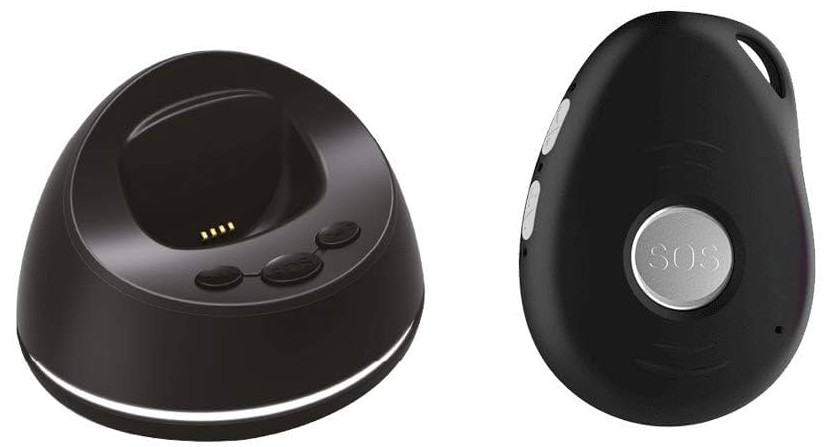
There is also a practical question about access. A button worn at the wrist, clipped to a belt or carried in a pocket may be easy to reach in one role and awkward in another. Gloves, heavy clothing, tools, bags or protective gear can slow the worker down. During selection, the device should be checked against what the worker actually wears and carries, not just what looks neat on a desk.
Automatic fall detection for roles where a worker may not respond
Fall detection changes the trigger. Instead of waiting for a press, the device looks for signs of a fall and raises an alert. This can suit employees who work alone around slips, uneven ground, ladders, stairs, wet areas or fatigue related risks. It can also suit older workers or roles where a sudden health event could leave the person unable to call out.
The trade-off is that automatic detection involves judgement by the device. A hard drop onto a hard surface may be easier to recognise than a slow collapse, a roll from a low platform, or a fall broken by soft material. Some activities may look like a fall when they are not, depending on how the device is worn. That means the response plan needs a way to handle false alarms without treating every alert as certain.
Two way voice can help here. If contact is made and the worker answers, the situation can be clarified quickly. If there is no answer, the alert can be treated as more urgent. GPS location also matters because a worker who has fallen may not be able to describe where they are. In noisy, rural or multi level locations, location detail can shape how the response unfolds.
Automatic alerts do not remove the need for a manual SOS button. Many workers will experience problems that do not look like a fall. A person may be locked in a room, threatened by someone, lost, or feeling seriously unwell while still upright. For that reason, fall detection is often considered alongside a manual trigger rather than as a straight replacement.
Man down alerts for long periods of no movement
Man down alerts cover a different pattern. Rather than detecting one sudden impact, they look for a worker who may have stopped moving for too long. This can be useful in roles where silence is unusual, such as patrols, plant checks, warehouse aisles, farm work or site visits with a set routine. The alert may prompt a nominated contact to call the worker, visit them, or ask someone nearby to check.
This option suits work where a check in schedule already makes sense. If a worker normally moves, talks or responds at regular intervals, a long pause can be meaningful. If the role involves long periods of stillness, such as monitoring screens or sitting in a vehicle, the alert settings need care. A poorly matched inactivity rule can create nuisance alerts and make real ones easier to ignore.
Man down alerts are less precise than a pressed SOS button. They indicate that something may be wrong, not what has happened. The emergency procedure around them should therefore start with attempts to contact the worker, then move to a physical check when contact fails. The faster and clearer that process is, the more useful the alert becomes.
GPS location and two way voice as supporting functions
GPS location and two way voice are not always the main reason for choosing an SOS worker device, but they can decide how useful the alert is after it arrives. An alert without location may leave a responder guessing. An alert with location but no way to speak to the worker may still be enough in some roles, especially where the worker is expected to be stationary. An alert with both gives the nominated contact more to work with.
GPS location is most valuable where the worker moves between places, works outdoors, or may be unable to describe their position. It is less decisive in a single building with known rooms and staff who can check nearby. Indoor location can also be less reliable than outdoor location, so a response plan should not assume perfect detail in every setting.
Two way voice suits workers who can answer but cannot safely use a phone, or whose hands are occupied. It helps separate a false alarm from a real emergency, and it can reassure a worker while help is arranged. It does depend on the worker being able to hear and speak. In loud plant areas, outdoors in wind, or during a distressing incident, voice contact may be difficult. A clear procedure for failed voice contact is just as important as the feature itself.
Matching the device to the work
A practical risk assessment should look at the worker, the place and the likely incident. A person visiting homes may value a discreet SOS button and two way voice. A person working alone in a yard or on uneven ground may place more weight on fall detection and GPS location. A night shift worker doing rounds may benefit from man down alerts because a missed check is a warning sign.
Environmental details matter too. Weather, dust, noise, gloves, uniforms and communication gaps all affect whether an alarm is easy to use and whether a response can happen. The device should be comfortable enough to be worn consistently, because an alarm left in a bag or on a desk does little for a worker who walks away from it.
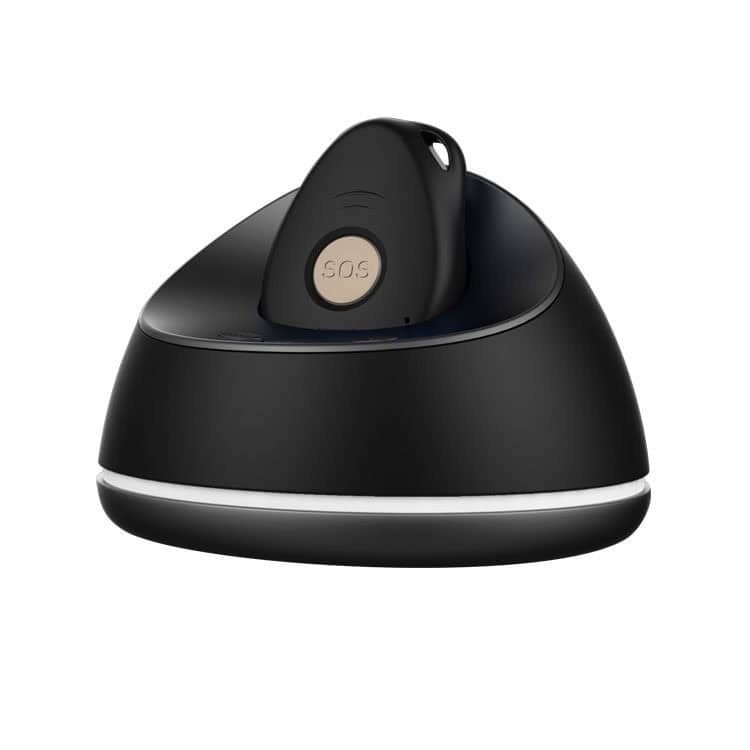
Immediate alerts for lone workers are only useful when someone is ready to receive and act on them. That means the nominated contact needs clear instructions, contact arrangements that cover the hours worked, and a plan for what to do if the first call is missed. A device should not be treated as the whole safety measure. It is one part of an emergency procedure that also includes training, check ins and a realistic response route.
A sensible way to decide
Start with the incidents the role must plan for, not with the longest feature list. If workers can usually press a button, a manual SOS alarm may be enough. If they may collapse or be unable to respond, automatic fall detection or man down alerts deserve more weight. If they move around or work beyond a fixed location, GPS location becomes more important. If confirmation matters before a response is sent, two way voice is worth close attention.
The right choice is often a combination. A device that offers an SOS button, automatic alerts, location and voice contact can cover a wider range of situations, provided the settings and response plan are clear. The aim is not to collect functions for their own sake. It is to give an isolated employee a reliable way to signal trouble and give the nominated contact enough information to act without delay.